
Hidden Hail Damage
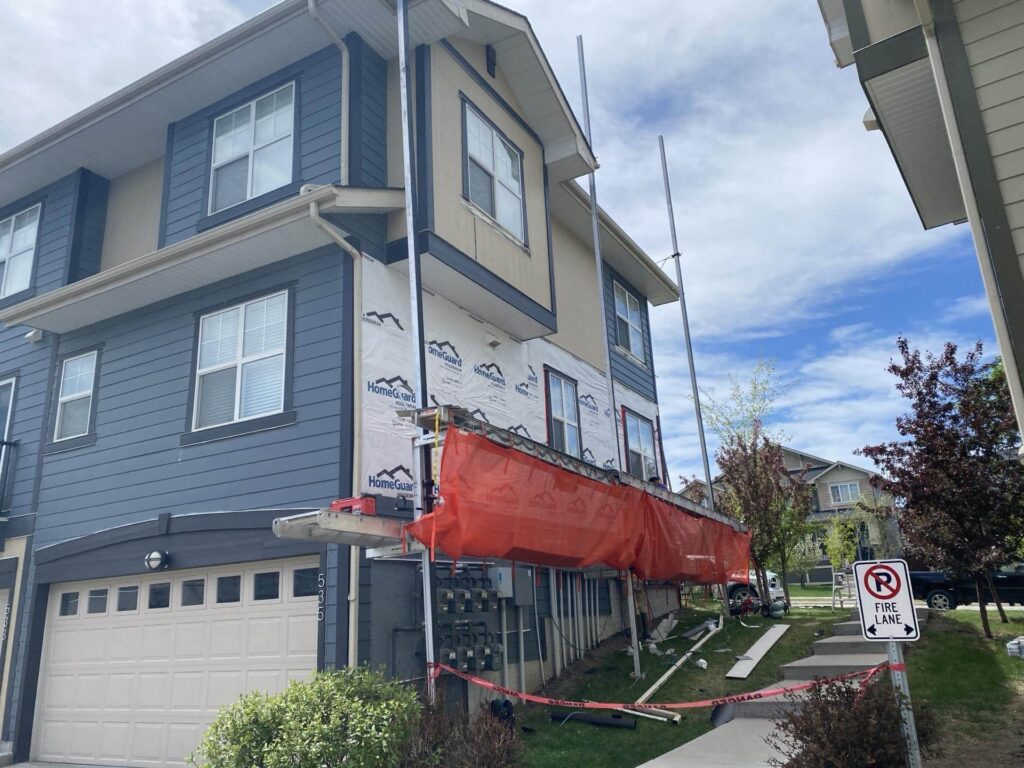
When most homeowners think about hail damage, they picture dented siding or missing shingles. What many do not realize is that hail can cause a range of hidden issues that compromise the integrity, efficiency, and long term durability of your home.
Understanding hail damage home exterior risks is critical, especially in Calgary where storms are frequent and often severe. What appears minor today can evolve into costly repairs if left unaddressed.
Understanding Hidden Hail Damage
Hail does not always leave obvious signs. While large impacts are easy to spot, smaller or repeated impacts can weaken materials over time.
Hidden damage often includes:
-
Micro cracks in siding
-
Compromised sealants around windows and doors
-
Gradual weakening of roofing materials
-
Damage to moisture barriers
These issues may not be visible immediately but can lead to significant structural problems.
How Hail Damage Affects Siding
Hail damage siding is one of the most common exterior issues. However, not all damage is surface level.
Common visible signs include dents and cracks. Hidden risks include:
-
Small fractures that expand over time
-
Moisture penetration behind panels
-
Insulation exposure and reduced efficiency
Vinyl siding is particularly vulnerable because it can crack under impact without fully breaking apart.
-
Roof and Eaves Damage
Even when shingles appear intact, hail can:
-
Loosen granules
-
Create weak spots
-
Damage underlayment layers
Eaves and soffits may also suffer damage, leading to ventilation issues and moisture buildup.
-
-
Window and Door Seals
Hail can weaken seals around windows and doors, allowing air and water to enter. This results in:
-
Increased energy costs
-
Interior condensation
-
Potential mold growth
-
-
Gutters and Drainage Systems
Dented gutters reduce water flow efficiency. Over time, this can lead to:
-
Water pooling near foundations
-
Basement leaks
-
Soil erosion around the home
-
-
Paint and Protective Coatings
Hail can chip paint and protective coatings, exposing materials to the elements. This accelerates wear and reduces lifespan.
Why Hidden Damage is a Serious Risk
The biggest challenge with hidden hail damage is delayed impact. Problems often develop months later, making it harder to connect them to the original storm.
This can lead to:
-
Denied insurance claims
-
More expensive repairs
-
Structural damage that could have been prevented
The Importance of Professional Inspection
A professional inspection goes beyond surface evaluation. Experts assess:
-
Structural integrity
-
Moisture intrusion risks
-
Material performance after impact
This ensures all damage is identified and properly addressed.
Repair and Restoration Strategies
Depending on the extent of damage:
-
Minor issues may be repaired
-
Moderate damage may require partial replacement
-
Severe cases often require full exterior upgrades
Using durable, impact-resistant materials is a strategic investment for Calgary homeowners.
Preventing Future Damage
While storms cannot be avoided, you can reduce risk by:
-
Installing impact-resistant siding
-
Maintaining regular inspections
-
Addressing small issues early
-
Ensuring proper drainage systems
Hail damage is not always obvious, but its impact can be significant. Understanding hidden risks allows homeowners to take proactive steps, protect their property, and avoid long term complications.
If your home has experienced a storm, a detailed inspection is the best way to ensure nothing is missed.
Key Takeaways:
-
What is hidden hail damage on a home exterior?
Hidden hail damage refers to internal or subtle damage that is not immediately visible, such as micro cracks, weakened seals, or moisture intrusion.
-
Can hail damage siding without visible dents?
Yes, hail can create small fractures that are not visible but still compromise the material.
-
How does hail affect home insulation?
Damage to siding or roofing can expose insulation, reducing energy efficiency and increasing costs.
-
Can hail damage windows without breaking them?
Yes, hail can weaken seals and create small cracks that impact performance over time.
-
Why is hidden hail damage dangerous?
It can lead to moisture intrusion, mold, and structural damage if left untreated.
-
How soon should I inspect my home after a hailstorm?
You should inspect your home immediately and schedule a professional inspection within a few days.
-
Can insurance cover hidden hail damage?
Yes, but only if it is properly documented and reported within policy timelines.
-
What are signs of hail damage siding?
Dents, cracks, chipped paint, or loose panels are common indicators.
-
Can gutters be damaged without obvious dents?
Yes, internal deformation can affect water flow even if dents are minimal.
-
Does hail damage worsen over time?
Yes, small issues can expand and lead to larger problems.
-
What materials resist hail damage best?
Impact-resistant siding and roofing materials offer better protection.
-
Should I replace siding after hail damage?
If damage is widespread or structural, replacement is often recommended.
-
Can hail damage cause mold?
Yes, moisture intrusion from damaged materials can lead to mold growth.
-
How do professionals detect hidden damage?
They assess materials, structure, and moisture risks using trained methods.
-
Is hidden hail damage common in Calgary?
Yes, due to frequent storms and varying hail sizes.



© Copyright 2026 Boss Builders & Exteriors.
Designed and Built by Fresh Focus Media